Why a newer foundation can still leak
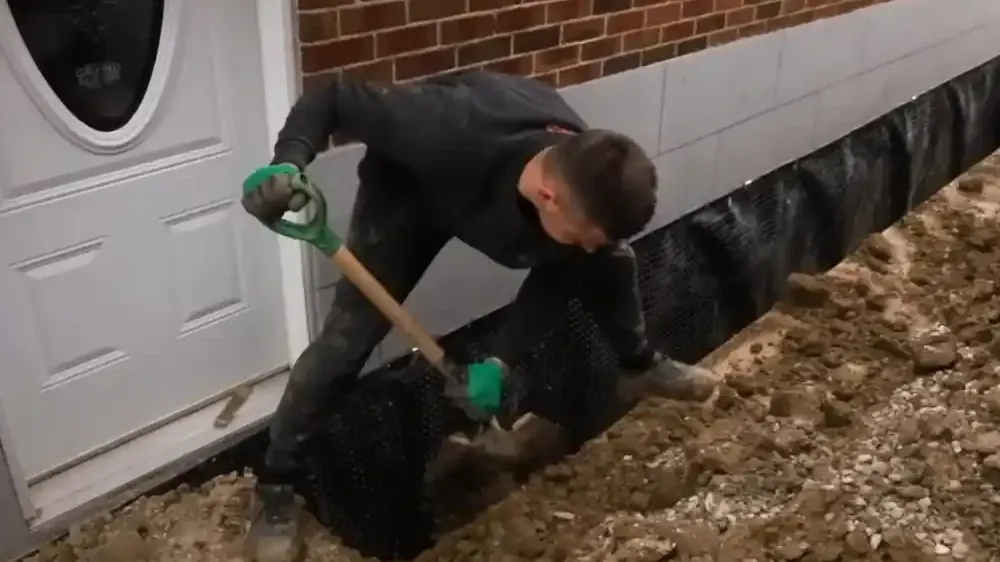
Builders dig a hole larger than the foundation and then fill the gap with soil. That backfill is looser than undisturbed ground. Over a few years it settles, and the ground near the wall can slope toward the house instead of away.
Rain then runs along the wall and into any weak spot. Window wells, cold joints and the place where pipes pass through the wall are common entry points.
Start with the outside
- Walk the perimeter after a rain and look for pooling near the foundation.
- Extend downspouts several feet from the wall.
- Clean gutters and make sure they are pitched toward the downspouts.
- Add soil to build a slope away from the house, about an inch per foot for the first several feet.
- Check window wells for debris and drainage.
These fixes cost little compared with interior systems and solve a surprising share of damp-basement complaints.
Call the 24/7 line and describe the problem. A dispatcher sends a licensed plumber.
Then look at the inside
Mark the places where water appears and note when. Water at the floor-wall joint after heavy rain points to hydrostatic pressure. A wet spot in the middle of the slab can mean a high water table or a failing drain tile. A damp wall after snowmelt points to surface water.
Take dated photos. A plumber can read the pattern and recommend the smallest fix that will work.
Comparing the interior options
| Option | Addresses | Considerations |
|---|---|---|
| Perimeter drain with sump | Water entering at the floor-wall joint | Needs slab cutting, a pit and a pump. |
| Crack injection | A single leaking crack | Does not stop other cracks. |
| Surface sealant | Dampness, not flowing water | Does not stop hydrostatic pressure. |
| Window well drain | Water entering at window wells | Low cost, often effective. |
A sealant painted on a wall can hide dampness without stopping water. If the pressure builds behind it, the coating can blister.
Sump pump and backup
Any drain system leads to a sump, so the pump is the heart of the plan. Pick a pump sized for the flow and add a battery or water-powered backup. See sump pump repair for failure signs.
For a pump quote, mention the size of the basement, the number of leak spots and any past flooding. It helps the plumber plan.
If you plan to finish the basement
Fix water first. Drywall, carpet and furniture over a damp wall invite mold. Leave the rough plumbing access panels in place. If you want a bathroom or wet bar, plumbing installation explains rough-in, ejector pumps and inspections.
Ask for the drain layout in writing so the finish contractor knows where cleanouts and the pit are.
Talk to your insurer
Insurance policies treat groundwater seepage, sump failure and sewer backup differently. Many cover none of them unless a rider has been added. Review your policy before the storm, not after.
If you live in Glendale Heights or Wheaton near the creeks, check whether a water backup rider is worth the cost.
Grading, in numbers you can check
The common guideline is a slope of about six inches in the first ten feet away from the foundation. You can check it with a long board and a level. If the ground slopes toward the wall, water will follow it.
Adding fill soil, not mulch, builds a firm slope. Keep soil at least a few inches below siding or brick so moisture and insects cannot bridge into the wall.
Window wells and egress
- Clear leaves and mulch from window wells.
- Make sure the well has gravel or a drain at the bottom.
- Fit a clear cover to keep rain out.
- Check that the well is sealed to the foundation wall.
- Do not pile snow against the well.
Window wells fill like buckets in a storm. A cover and a working drain stop a lot of basement water.
What to document for resale
A dry basement is a selling point and a recorded history of leaks is a disclosure item. Keep records of any waterproofing work, pump service and warranties. Photos of the finished drain and pit are worth saving.
Buyers and inspectors ask about these things. A clean record shows the problem was handled.
Questions to ask a waterproofing company
- What is causing the water and how do you know.
- Is there a cheaper step I should try first.
- What does the warranty cover and for how long.
- Who does the work, an employee or a subcontractor.
- What is the total price, including the pump and cleanup.
Be careful with anyone who quotes a full system without looking at the basement. A fair company starts with the cause and explains why it picked the fix.
Humidity versus leaks
A basement can feel damp without a leak. Warm summer air meets cool walls and condenses. A dehumidifier set around 50 percent humidity often fixes this, and a hygrometer costs little.
If a dehumidifier fills quickly and walls stay wet, water is entering. That is when a plumber should look.
A seasonal checklist
- Spring: check grading and clean gutters after the thaw.
- Summer: test the sump pump and look for new cracks.
- Fall: clear leaves from window wells and downspouts.
- Winter: keep snow and ice from piling against the foundation.
- Every season: look at the basement walls after heavy rain.
A few minutes each season catches problems while they are small and cheap.
Newer neighborhoods near Carol Stream's creeks
Carol Stream's flood history is tied to Klein Creek, Thunderbird Creek and its detention ponds. The Daily Herald reported at least four village homes flooded on April 18, 2013, with 25 road closures.
The Armstrong Park reservoirs, completed in 2015, hold about 37 million gallons and protect nearly 60 structures in the Klein Creek watershed. If your newer home sits near a creek or pond, the water table can rise even when your own lot is well graded.
Questions readers ask
Is basement waterproofing a plumber's job in Carol Stream?
Interior drains and sump pumps are plumbing work. Exterior regrading and masonry may involve other trades.
Can I fix a damp basement for little money?
Often yes. Extending downspouts and regrading can cut seepage.
Why does my newer basement leak after heavy rain?
Settled backfill and clogged gutters are the usual causes.
Do I need a battery backup?
If storms cut your power, a backup is worth considering.
Will sealant stop leaks?
Sealant helps with dampness, not flowing water.
Standards and sources
This guide follows the Illinois Plumbing Code, 77 Ill. Adm. Code 890, and general manufacturer guidelines for the equipment discussed. Local facts come from the Village of Carol Stream, the DuPage Water Commission and the Daily Herald, as named in the text. Product instructions for your own equipment always take priority over general advice.