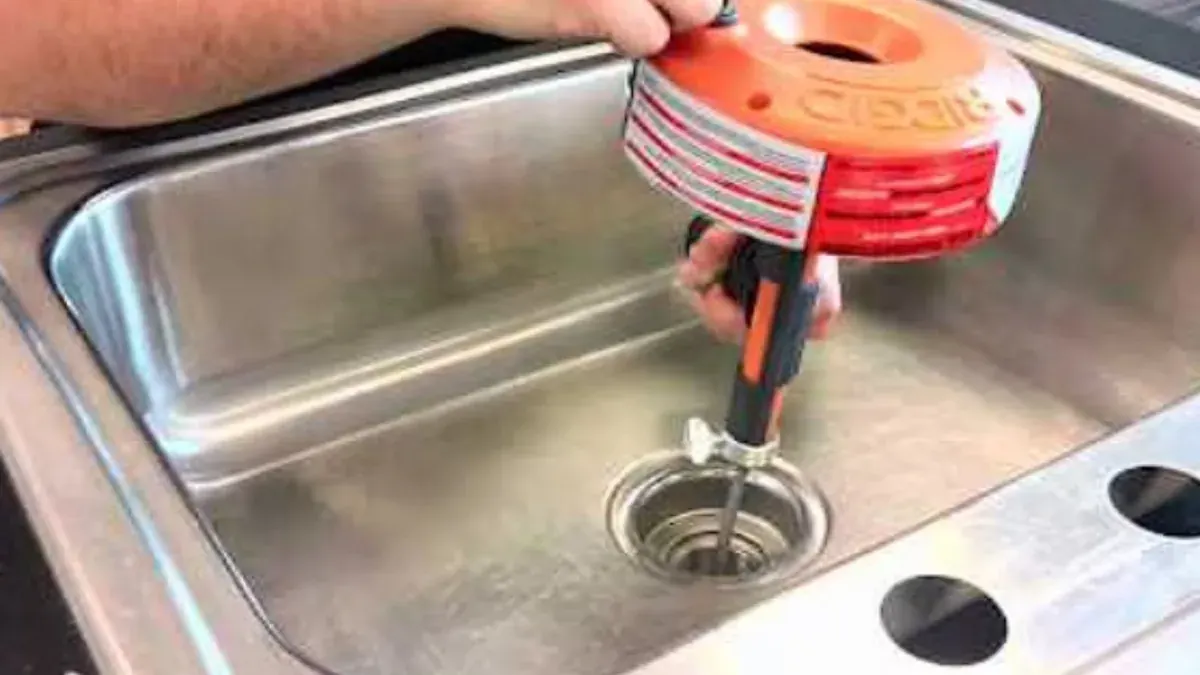
Rule out the easy ones
Remove the stopper and clean it. Check the trap for hair and sludge. Make sure the pop-up lever is not holding the stopper partly closed. Many slow drains end here.
If water drains slowly even with the stopper out, move to the next step. The cause is probably beyond the fixture.
Is it one sink or many?
| What you see | What it suggests |
|---|---|
| Only this sink is slow | Branch line or vent for that fixture. |
| Sinks and tub both slow | Shared branch line. |
| Toilet gurgles when sink drains | Main line or vent problem. |
| Floor drain bubbles | Main line blocked. |
Run water in a second fixture and listen. Bubbling or gurgling tells you air is struggling to get in or out.
Call the 24/7 line and describe the problem. A dispatcher sends a licensed plumber.
Vent problems
Every drain needs a vent that lets air in as water leaves. A blocked vent acts like a stopper on a bottle. Water drains in slow, uneven gulps, and the trap may siphon dry, letting sewer gas in.
Vents run through the roof. Leaves, birds' nests and snow can block them. A plumber can check the vent with a camera or a flush of water from the roof.
Partial blockages and pipe condition
A partial clog slows water without stopping it. Grease, soap scum and mineral scale narrow the pipe over years. Bellies, low spots where water pools, also slow drains.
A camera shows the real condition. Drain cleaning can restore flow if the pipe is sound. If it is damaged, sewer line repair may be needed.
What not to do
- Do not pour drain chemicals into a standing sink.
- Do not use a plunger over a chemical cleaner.
- Do not keep running water into a backing-up drain.
- Do not ignore a sink that smells like sewage.
- Do not force a snake that jams.
If the smell is strong, ventilate and call. Sewer gas is a health concern.
When to call
If you have cleaned the trap, tried a plunger and still see slow drainage, call. The dispatcher asks which fixtures are affected and how long it has been going on. That helps the plumber arrive prepared.
For homes in Hanover Park and Bloomingdale, older branch lines are a frequent cause, and a camera visit is often the most efficient first step.
Garbage disposals and dishwashers
If the sink has a disposal, grease and starch in the chamber can slow the drain even when the pipe is clear. Check that the dishwasher drain hose is not kinked and that the knockout plug was removed when the disposal was installed.
A dishwasher that backs into the sink is a classic sign of a blocked disposal inlet or a restriction just below. Clear the disposal and check the high loop in the dishwasher hose.
Air admittance valves and cheaters
- Some homes use a mechanical air admittance valve instead of a roof vent.
- These valves can stick and fail to let air in.
- A slow drain with a gurgle can point to one.
- They must be installed above the trap and accessible.
- Code rules limit where they can be used.
If your sink has one, ask the plumber to check it. They wear out over time and are inexpensive to replace.
Mineral and soap buildup
Over years, soap scum and mineral scale narrow the inside of a pipe. The effect is slow and goes unnoticed until flow drops. Hot water and a plumber's cleaning tool can restore the pipe if it is not damaged.
A softener reduces scale buildup. If your home has hard water, see water softener and filtration for how that works.
Kitchen versus bathroom sinks
Kitchen sinks collect grease and food, so slow drains there usually mean a greasy buildup. Bathroom sinks collect hair, soap and toothpaste, so the cause is often in the P-trap or the pop-up assembly.
A kitchen line often needs a cable or a jet. A bathroom sink usually needs a simple trap cleaning. Knowing which sink you have tells the plumber what to bring.
A simple test for a vent problem
- Fill the sink with a few inches of water.
- Pull the stopper and watch the drain.
- Listen for gurgling or glugging as it empties.
- Run a second fixture on the same floor and listen again.
- Report what you hear to the plumber.
A gurgling drain with a fast flow often points to venting rather than a clog.
Prevention for the long run
- Scrape plates and use a sink strainer.
- Flush the drain with hot water weekly.
- Avoid pouring grease down the drain.
- Use a hair catcher in the bathroom.
- Schedule a cleaning if a drain slows twice in a year.
These steps cost little and keep branch lines clear. The best plumbing repair is the one you never need.
What the plumber will do
On arrival the plumber runs water, listens for gurgles and checks the trap. If the cause is not clear, a camera goes into the line through the cleanout or a vent. The plumber then explains what is wrong and what it will take to fix.
You approve the work after hearing the options. If the fix is simple, it is done on the spot.
Roof vents and Illinois winters
The Illinois Plumbing Code, 77 Ill. Adm. Code 890, governs how drain, waste and vent systems are built in the state, and every fixture drain needs proper venting.
In cold weather, frost can narrow a vent opening at the roof. If drains slow in a hard freeze and clear when it thaws, mention it to the plumber.
Questions readers ask
Do you handle drain emergencies at night in Carol Stream?
Yes. The 24/7 line takes calls at any hour.
Why does my sink drain slowly even after I cleaned the trap?
A branch line, vent or main line problem is likely.
Can a blocked vent cause slow drains?
Yes. Water drains slowly when air cannot enter the pipe.
Is gurgling dangerous?
It signals a blockage. A strong sewage smell calls for ventilation and a call.
How do you find the cause?
A camera inspection shows the pipe from the inside.
Standards and sources
This guide follows the Illinois Plumbing Code, 77 Ill. Adm. Code 890, and general manufacturer guidelines for the equipment discussed. Local facts come from the Village of Carol Stream, the DuPage Water Commission and the Daily Herald, as named in the text. Product instructions for your own equipment always take priority over general advice.